How to Protect Your Hair from Chlorine Buildup
Why Chlorine Affects Your Hair
Swimming is a great way to stay active, but regular exposure to chlorinated water can leave your hair feeling dry, brittle, and discolored. Chlorine is a strong disinfectant that strips away natural oils, and over time it builds up on the hair shaft. This buildup can make hair look dull and feel rough, and it often leads to a telltale greenish tint, especially on lighter hair. Understanding how chlorine interacts with your hair is the first step toward keeping your locks healthy and manageable.
When you swim, chlorine molecules bind to the proteins in your hair. This bond is not easily broken by ordinary shampoo. The result is a layer of residue that clings to each strand. Over repeated swims, that residue accumulates. The hair cuticle, which normally lies flat and smooth, becomes raised and damaged. This allows more chlorine to penetrate deeper into the hair, compounding the problem. The effects are not just cosmetic. Chlorine buildup can make hair more porous, meaning it absorbs and loses moisture quickly. That leads to frizz, tangles, and breakage.
Recognising the Signs of Chlorine Buildup
How do you know if chlorine is affecting your hair? The most obvious sign is a change in texture. If your hair feels straw-like, sticky, or unusually coarse after swimming, chlorine is likely the culprit. Another clue is a lingering chemical smell that does not wash out with regular shampoo. You might also notice that your hair takes longer to dry or that it feels heavier than usual. For those with chemically treated or color-treated hair, the effects can be more pronounced. Chlorine can strip color, leaving tones looking faded or brassy.
It is worth paying attention to how your hair behaves after a swim. If you see a greenish tint, that is a direct result of chlorine interacting with copper and other metals in the water. That tint is not permanent, but it signals that the buildup is significant. Catching these signs early makes it easier to address the problem before it leads to long-term damage.
How to Remove Chlorine from Hair
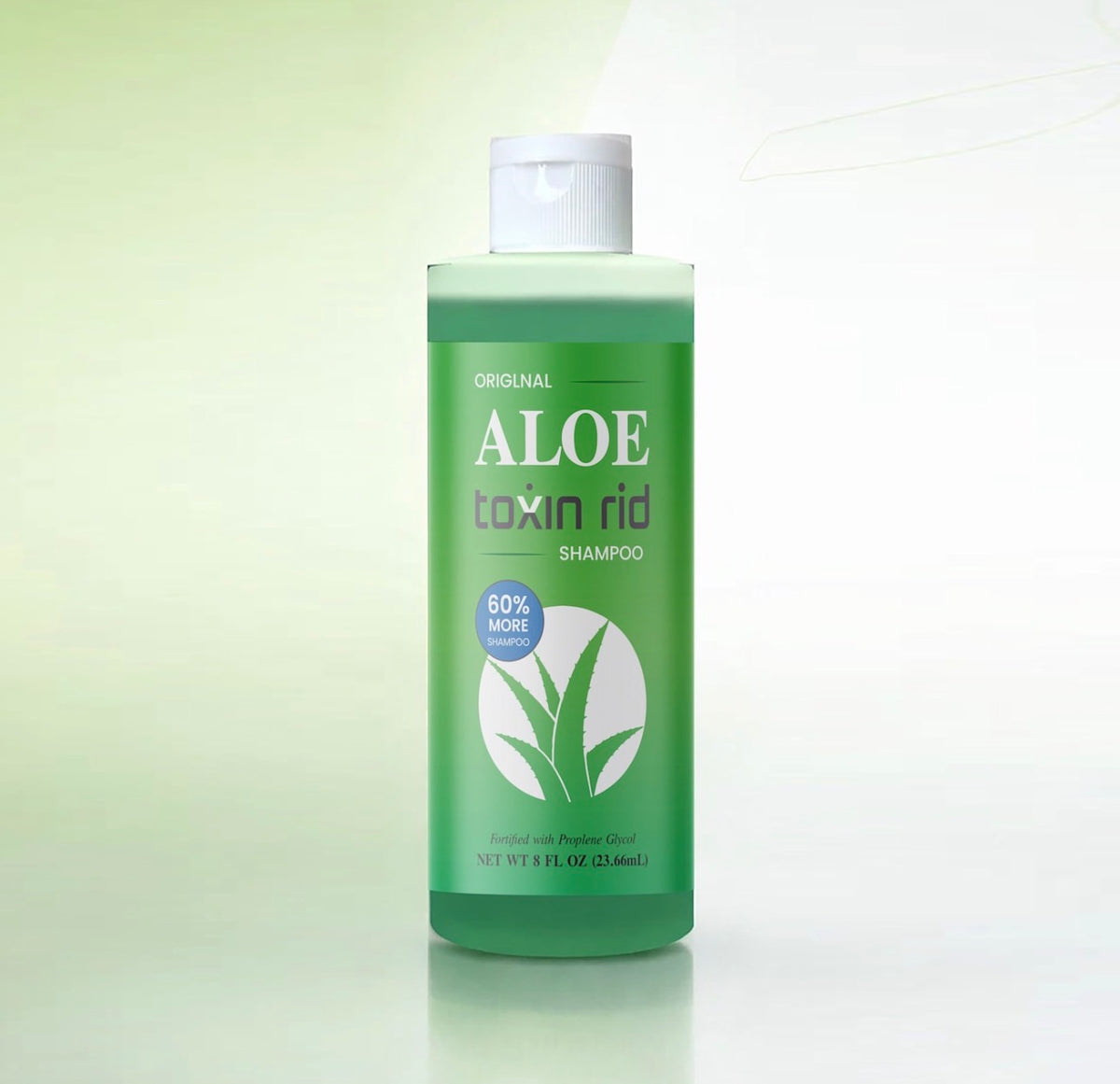
To restore your hair's natural condition, you need a method that goes beyond a typical wash. Standard shampoos are designed to clean dirt and oil, but they often lack the ingredients needed to break down chlorine residue. That is where specialized products come in. A good approach is to use a detox shampoo formulated with aloe vera and chelating agents. Aloe vera is known for its soothing and moisturizing properties. It helps calm the scalp and replenish lost moisture. Chelating agents, on the other hand, work by binding to chlorine and metal ions, allowing them to be rinsed away. This combination effectively helps remove chlorine from hair without stripping it of essential moisture.
When you choose a detox shampoo, look for one that is gentle enough for regular use. Some clarifying shampoos can be too harsh, leaving hair feeling dry and irritated. A product that includes aloe vera and other natural extracts can provide a balanced clean. After shampooing, follow with a conditioner that adds hydration. This step helps seal the cuticle and restore smoothness. For best results, use the detox shampoo immediately after swimming, before the chlorine has time to settle deeply into the hair shaft.
Alternative Methods and Precautions
If you do not have a detox shampoo on hand, there are a few home remedies that some people find helpful. A rinse with diluted apple cider vinegar can help lower the pH of the hair and loosen chlorine buildup. Another option is a baking soda paste mixed with water, applied gently to the hair. However, these methods require caution. Both apple cider vinegar and baking soda can be drying if used too often. They are best reserved for occasional use, not as a regular routine. Over-scrubbing or using harsh treatments can worsen the porosity problem and lead to more breakage.
Another important factor is prevention. Wetting your hair with clean water before swimming can reduce the amount of chlorine your hair absorbs. Some swimmers also apply a leave-in conditioner or a light oil, such as coconut oil, to create a protective barrier. Wearing a swim cap is the most effective way to limit exposure, though it does not block all water. These preventive steps can reduce how often you need to use a detox shampoo, keeping your hair healthier in the long run.
What to Watch Out For
Not all hair types respond the same way to chlorine. Fine or low-porosity hair may show buildup more quickly, while thick or high-porosity hair might tolerate more exposure before showing signs. Pay attention to how your hair reacts and adjust your routine accordingly. If you swim frequently, consider using a detox shampoo once a week or after every few swims. For occasional swimmers, one treatment after each session should be enough.
It is also worth noting that chlorine buildup can interfere with laboratory hair testing. If you are preparing for a hair analysis, removing all external residues is critical. A thorough wash with a detox shampoo ensures that the results reflect only what is in your system, not what has accumulated from pool water. This is why many people turn to specialized products designed for this purpose.
Choosing the Right Products
When shopping for a detox shampoo, read the ingredient list carefully. Look for chelating agents such as EDTA or citric acid, which are effective at binding chlorine. Avoid shampoos that contain sulfates, as they can be too harsh and strip natural oils. Aloe vera is a good addition because it soothes and hydrates. Some products also include vitamins like B5 or E, which help strengthen hair. The goal is to find a balance: enough cleansing power to remove chlorine, but enough conditioning to keep hair soft and manageable.
Remember that no single product works for everyone. Hair porosity, thickness, and overall condition all play a role. If you are unsure, start with a gentle detox shampoo and see how your hair responds. You can always adjust the frequency or switch to a different product if needed.
Final Thoughts
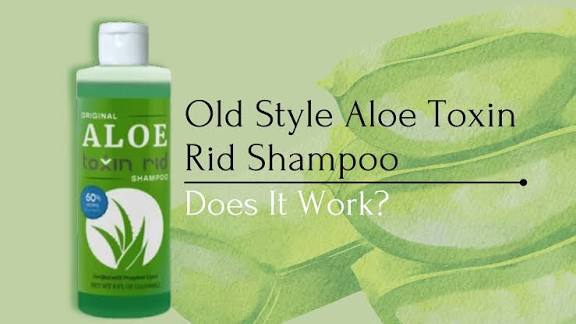
Chlorine buildup is a common issue for swimmers, but it does not have to ruin your hair. By recognizing the signs early and using the right approach, you can keep your hair healthy and vibrant. A good detox shampoo, especially one with aloe vera and chelating agents, is a reliable tool for removing chlorine residue. Combine that with preventive measures like rinsing before swimming and using a swim cap, and you will notice a real difference in how your hair feels and looks. The key is consistency and choosing products that work with your hair type, not against it.